bitcoin USDT Returns to Bitcoin: How Tether's RGB Protocol Brings Stablecoins Home After 10 Years Ten years after migrating away, USDT is returning to Bitcoin as a native RGB protocol asset. Client-side validation, Lightning Network compatibility, and a $7.5M infrastructure play led by UTEXO could reshape the stablecoin landscape. Here is how the technology works and why it matters.
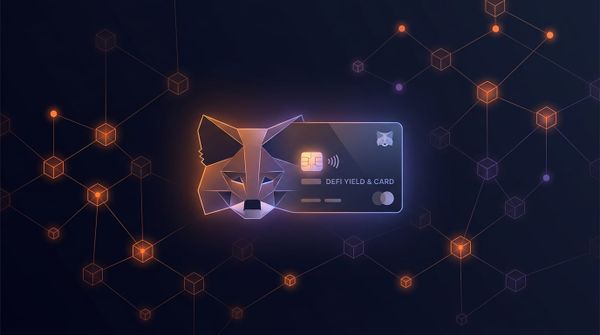
defi MetaMask Money Account: DeFi Yield and Card Spending Come to Your Wallet MetaMask Money Account pays up to 4% variable APY on stablecoins through DeFi protocols Aave and Morpho, with instant spending via a Mastercard-powered card. Here's the architecture behind it and what the composable wallet pattern means for web3 developers building on Ethereum.
ZK-proofs ZK Proof Gas Costs: 2026 SNARK vs STARK Developer Guide ZK proof systems differ in gas costs by over 10x. Groth16 verifies at 230K gas with 192-byte proofs. Raw STARKs cost 2.5M gas. This guide compares every major system across proof size, trusted setup, and circuit security so you can pick the right stack for your dApp.
ai-agents Injective's MCP Server Lets AI Agents Deploy Smart Contracts Through Chat Injective's new open-source MCP server lets AI agents deploy smart contracts, execute perpetual futures trades, and query on-chain data — all through natural language prompts. Here's how it works and what it means for the future of web3 development.
ethereum Vitalik's Lean Ethereum Roadmap: Quantum Safety, Privacy, and RISC-V Vitalik Buterin's Lean Ethereum roadmap proposes the most ambitious protocol overhaul since the Merge: quantum-safe cryptography, native privacy, RISC-V execution, and recursive STARK verification — all shipping over 3-4 years. Here's what every Ethereum developer needs to know.
smart-contracts Cross-Chain Bridge Security: A Developer’s Playbook Bridges account for 40% of all DeFi hack losses by dollar value. This playbook covers every major attack category, the contract vulnerabilities behind them, and the defensive patterns that prevent the next billion-dollar exploit.
ai-agents AI Agents on Blockchain: How Crypto Became the Payment Layer for Autonomous AI In four weeks, MetaMask, Coinbase, OKX, and BNB Chain shipped the infrastructure for an autonomous AI economy — wallets, payments, identity, and marketplaces purpose-built for agents. Here's what changed and how to start building.
depin How to Build a DePIN Project: The Developer's Guide to Physical Infrastructure on Blockchain DePIN networks are generating over $500M in annual revenue. Here's a hands-on guide to building your own decentralized physical infrastructure project — from Solana reward contracts to token economics.
ethereum Ethereum Glamsterdam Upgrade: ePBS, BAL & 200M Gas Limit Ethereum's Glamsterdam upgrade reached its final devnet stage in June 2026. With ePBS, block-level access lists, and a target 200M gas limit, it is the most ambitious protocol overhaul since the Merge. Here is what builders should know ahead of mainnet in September 2026.
ZK-proofs ZK Proof Gas Costs 2026: Which Proving System Is Cheapest? Groth16 still dominates ZK verification at ~227K gas per proof, but a new transparent system called GLYPH-zk has demonstrated 29.5K gas on testnets — a 7.7x improvement. Here's how every major proving system compares, plus why proof batching delivers bigger savings than any single system choice.
Social-Fi Decentralized Social 2026: Lens, Farcaster & On-Chain Identity Decentralized social networks hit 8.2M daily active wallets in 2026, with Vitalik Buterin declaring it his top priority. From Lens Protocol to Farcaster and Cyber, here is what the on-chain social graph means for web3 developers.
AI AI Agent Marketplace: OKX Lets Agents Hire and Pay Each Other OKX launched an AI agent marketplace where autonomous software can hire each other, settle payments in USDT and USDG, and build portable on-chain reputations — the most ambitious bet yet on the agent economy.
regulation CLARITY Act 2026: Crypto's July Senate Deadline and What It Means for Builders The CLARITY Act faces a four-week July window to pass the Senate, with Galaxy Research cutting 2026 passage odds to 50%. Here's what the bill actually says about SEC vs CFTC jurisdiction, which provisions matter most for builders, and how DeFi developers should prepare for any outcome.
Layer 2 Loopring Shuts Down: What the First zk-Rollup's Failure Means for Builders Ethereum's first zero-knowledge rollup, Loopring, permanently shut down its DEX on June 28, 2026, citing weak adoption and technological obsolescence against zkEVM networks. Here's why the original zk-rollup architecture lost \u2014 and what builders should learn from it.
defi Uniswap v4’s FX Layer: $150M Stablecoin Liquidity Hub Goes Live Spark, Uniswap, and Sky launched a shared stablecoin FX Layer with a $150M USDS migration to Uniswap v4. The DualPool hook routes idle LP capital into yield vaults between swaps, solving the liquidity-versus-productivity tradeoff at institutional scale.
gaming Web3 Gaming in 2026: The Infrastructure Finally Caught Up 93% of crypto games launched since 2020 have failed. But the survivors share a common thread: they stopped asking players to care about blockchains. Here is how Ronin, Immutable, Solana, and a new generation of developer tooling rebuilt web3 gaming infrastructure for real players.
solana Solana Adds a Fourth Validator Client: What Mithril, Alpenglow, and Confidential Transfers Mean for Builders In one week, Solana crossed three infrastructure thresholds: a fourth independent validator client written in Go, a consensus upgrade delivering 100x faster finality, and the return of Confidential Transfers after a thirteen-month remediation. Here's what each milestone means for developers.
bitcoin Bitcoin Runes Surge to 2-Year High: What Developers Need to Know About Building on Bitcoin's Token Layer Bitcoin just processed over 820,000 daily transactions for the first time in two years, driven by a resurgence of the Runes fungible token standard. Here's what developers need to know about building on Bitcoin's emerging application layer.