Layer 2 ZKsync Goes Enterprise: Why 5 Banks Chose ZK Tech for a $600B Tokenized Deposit Network ZKsync creator Matter Labs laid off staff and fully pivoted to Prividium, a permissioned privacy chain for banks. Six U.S. regional banks with $600B+ in deposits are building the Cari Network tokenized deposit platform on ZK technology. Here's what the pivot means for Ethereum's L2 landscape.
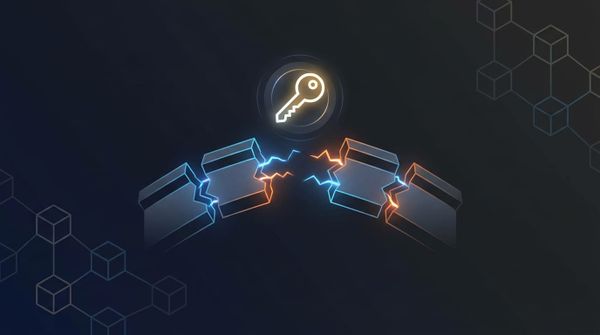
ethereum Taiko Bridge Exploit Explained: How a Leaked Key Led to $1.7M in Forged Withdrawals Taiko halted block production after an attacker exploited its bridge for $1.7M using forged withdrawal proofs. The root cause: an SGX signing key left exposed on GitHub.
Starknet Starknet v0.14.3 Explained: Dynamic Gas Fees, 30% Cost Cut, and What Builders Need to Know Starknet v0.14.3 goes live on mainnet today with dynamic STRK gas fees, a 30% L2 gas target cut, shorter block times, and RPC 0.8 deprecation. Here is what the upgrade means for builders.
ethereum Ethereum's 200M Gas Limit Explained: What 10,000 TPS Means for Builders Ethereum's Glamsterdam upgrade triples the block gas limit from 60M to 200M, targeting 10,000 TPS with 78% lower fees. Here's what the three interlocking EIPs mean for builders.
ethereum Ethereum Crosses 1 Million Developers: What the Milestone Means for Builders Ethereum has crossed one million lifetime developer contributors according to Electric Capital, with 232,000 active in the past year. Here is what the milestone means for builders, L2 ecosystems, and the future of web3.
solidity Solidity Development in 2026: New Patterns Every Smart Contract Developer Should Know After Pectra Ethereum's Pectra upgrade rewrote the Solidity playbook. From EIP-7702 delegation to transient storage and MCOPY, here are 7 smart contract patterns every developer needs in 2026 — with production-ready code examples.
chain abstraction Chain Abstraction Explained: How to Build Multi-Chain dApps With Cross-Chain Interoperability in 2026 Chain abstraction is reshaping how developers build decentralized applications. Learn the protocols, patterns, and tools for building multi-chain dApps that work seamlessly across every blockchain.
AI Agents AI Agents Are Now Booking Hotels with USDC on Base: What It Means for Web3 Developers Travala now lets AI agents book hotels autonomously using USDC on Base. This is what the developer stack behind autonomous onchain agents looks like, and why it matters for web3 builders.